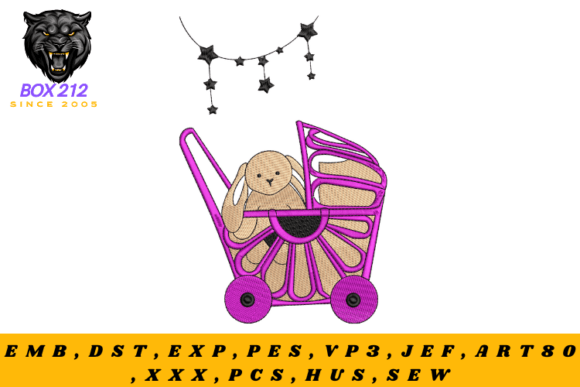
Review: Baby Carriage Embroidery Design for Merch
As an embroidery designer who has spent years digitizing files for small businesses, I approach every new machine embroidery design with a critical eye. It is not just about whether the image looks cute on a screen; it is about how that design translates into thread, how it holds up on fabric, and ultimately, how it serves the brand identity of the client using it. Recently, I evaluated the Baby Carriage Embroidery Design, a file marketed toward nursery decor and baby gifts. While the initial description highlights its charm for onesies and Boys themed items, I wanted to dig deeper. Can this specific Embroidery asset work for broader commercial applications? Let us break down its potential for small business merchandise, branded patches, and custom apparel.
First Impressions and Visual Personality
The first thing you notice about the Baby Carriage Embroidery Design is its inherent friendliness. The silhouette of a classic carriage evokes nostalgia, warmth, and care. For a boutique or a handmade brand, this visual personality is invaluable. It does not scream "corporate"; instead, it whispers "handcrafted" and "personal." This makes it an excellent candidate for businesses that want to project a soft, approachable, and premium image. Whether you are running a local bakery, a florist specializing in baby showers, or a creative studio offering personalized gifts, this design aligns well with a brand identity focused on celebration and tenderness.
However, from a technical standpoint, we must look beyond the aesthetic. A charming little carriage can easily become a mess of tangled threads if the digitizing is not precise. In my review, I looked for clean lines and logical stitch paths. The design appears to balance detail with simplicity, which is crucial for maintaining clarity when scaled down for smaller applications like chest logos or sleeve details.
Real-World Business Applications
For small business owners, versatility is key. You need assets that work across multiple product lines. Here is how I see the Baby Carriage Embroidery Design performing in real-world scenarios:
- Branded Patches: This is perhaps the strongest use case. An embroidered patch featuring this carriage can be sewn onto tote bags, diaper bags, or even staff uniforms. It acts as a subtle yet recognizable brand mark.
- Custom Apparel and Uniforms: For boutiques or childcare centers, this design works beautifully on polo shirts or aprons. It adds a touch of professionalism without being overly rigid. Imagine a florist wearing an apron with this delicate carriage stitched near the hem; it reinforces their specialization in life events and gifts.
- Cap Embroidery: Placing this design on the front of a dad hat or baseball cap can create a trendy, niche product. However, placement is critical here due to the curved surface.
- Tote Bag Design: Canvas totes are a staple for eco-friendly brands. The contrast of thread against canvas texture can make this design pop, creating a high-value finished product that customers love to carry.
- Etsy Branding and Packaging: Beyond the product itself, this design can be used on fabric tags or packaging inserts. It enhances the unboxing experience, making the handmade product feel more exclusive and thoughtful.
Technical Considerations and Constraints
While the design is promising, there are areas where caution is required. As a designer, I always advise testing before full production. Here are the specific technical challenges you might face with the Baby Carriage Embroidery Design:
Stitch Density and Detail: Intricate designs can suffer from high stitch density, leading to puckering or fabric distortion. If the carriage has very fine spokes or small decorative elements, they may not hold up well on textured fabrics like terry cloth or heavy denim. Always check the digital embroidery file settings to ensure the density is appropriate for your chosen material.
Size Limitations: This design is likely optimized for medium sizes. If you attempt to shrink it too much for a tiny label or a small pocket logo, the details may merge. Conversely, blowing it up too large for a back print might reveal gaps in the stitching. I recommend creating a printable mockup at various sizes to visualize the impact before hooping.
Fabric and Stabilizer Choice: The success of this embroidery file depends heavily on your setup. For stretchy fabrics like those used in onesies or t-shirts, a cut-away stabilizer is non-negotiable to prevent distortion. For woven fabrics like tote bags or aprons, a tear-away might suffice, but always test first. Dark uniforms can also pose a challenge if the design relies on light thread colors; ensure you have enough contrast or consider adding a satin border to make the carriage stand out.
Enhancing Brand Identity and Trust
Using a consistent visual element like the Baby Carriage Embroidery Design across your small business merch builds recognition. When customers see the same high-quality embroidery on your website, your packaging, and your physical products, it creates a sense of reliability. It signals that you care about the details. This attention to detail translates directly into customer trust and perceived value. A well-executed embroidered logo or accent elevates a simple item into a keepsake.
Moreover, this design supports a narrative of care and tradition. For brands targeting new parents or families, this imagery resonates emotionally. It is not just a logo; it is a symbol of the journey your customers are on. This emotional connection can drive buyer engagement and loyalty, turning one-time buyers into repeat customers who appreciate the thoughtful branding.
Practical Designer Notes for Production
Before you commit to a large run of commercial embroidery projects using this file, follow these practical steps:
- Test in Black and White: Remove color from your view to check the structural integrity of the design. If it looks muddy in grayscale, it may lack definition in thread.
- Check Thread Color Contrast: Ensure your chosen thread colors complement the fabric. Soft pastels work well for baby themes, but bold contrasts can make the design more visible on darker garments.
- Confirm Hoop Size: Verify that the design fits comfortably within your machine’s hoop size without requiring excessive re-hooping, which can lead to alignment issues.
- Review Licensing: Always confirm the commercial licensing terms of the design assets. Ensure you have the right to use the file for selling physical goods, not just personal projects.
- Create Client Mockups: If you are designing for a client, provide a realistic mockup showing the design on the actual garment type. This manages expectations and reduces revision requests.
In conclusion, the Baby Carriage Embroidery Design is a versatile and charming asset for small business owners. While it is marketed towards nursery decor, its potential extends far beyond. With careful attention to technical details like stabilizer choice and stitch density, it can become a cornerstone of your brand’s visual identity. Whether used on an apron, a cap, or a tote bag, it offers a professional, heartfelt touch that resonates with customers. Just remember to test thoroughly and respect the limitations of the medium to ensure every stitch contributes to your brand’s success.