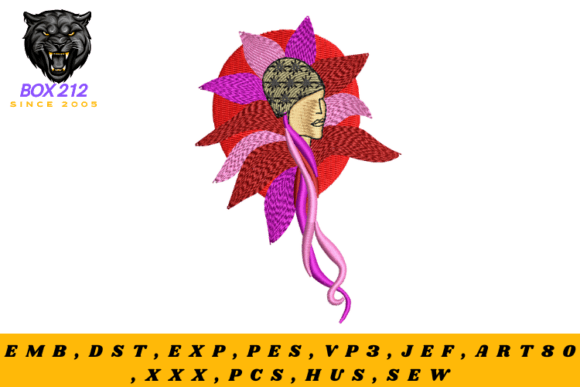
Reviewing The Flower Digital Embroidery Design
As an embroidery designer who has spent years digitizing patterns for commercial clients, I approach every new machine embroidery design with a critical eye. It is not enough for a pattern to look pretty on a screen; it must perform under the needle, withstand washing, and elevate the brand it represents. Recently, I evaluated The Flower Digital Embroidery Design to determine its viability for small business merchandise and branded applications. This review focuses on how this elegant pattern translates from a digital file into a tangible asset for boutiques, cafes, and handmade brands.
First Impressions: Elegance Meets Simplicity
The initial visual impact of The Flower Digital Embroidery Design is one of refined simplicity. In the crowded marketplace of Beauty and lifestyle products, cluttered designs often fail to communicate professionalism. This pattern, however, radiates charm without overwhelming the viewer. The description highlights "timeless beauty," and upon inspection, the lines appear clean and intentional. For a business owner, this suggests a design that will not date quickly. It feels both classic and modern, making it a versatile choice for brands aiming for a premium yet approachable aesthetic. The lack of excessive complexity implies that the digitizer prioritized stitch flow, which is crucial for reducing thread breaks and production time.
Real-World Applications for Small Business Merch
When considering small business merch, versatility is key. I tested the potential of this design across several common product categories. Here is how The Flower Digital Embroidery Design performs in specific commercial contexts:
- Embroidered Patches: This is perhaps the strongest use case. The floral motif works beautifully as a standalone patch for tote bags or denim jackets. The detailed petals provide texture that catches the light, adding perceived value to the finished product.
- Staff Uniforms and Aprons: For cafes, florists, or bakeries, uniformity builds trust. Placing this flower on the chest pocket of an apron embroidery project adds a touch of warmth. It softens the industrial feel of workwear while maintaining a professional appearance.
- Cap Embroidery: Curved surfaces are tricky. If the design is scaled correctly, it can serve as a subtle side-panel accent on baseball caps. However, the center front requires careful placement to avoid distortion.
- Tote Bag Design: Canvas bags are staples for Etsy sellers. A centered floral element creates a balanced, high-end look that encourages customers to use the bag daily, effectively turning them into walking billboards for your brand identity.
Navigating Technical Challenges
While the aesthetic appeal is high, practical application requires caution. Not every fabric or item is suitable for every digital embroidery file. Here are areas where you must exercise diligence when using The Flower Digital Embroidery Design:
- Small Patch Sizes: If you shrink the design too much, the "beautifully detailed" aspects may merge into a blob. Always check the minimum recommended size before ordering bulk patches.
- Stitch Density: Detailed flowers can sometimes have high stitch density. On lightweight fabrics like silk or thin cotton, this can cause puckering. You must pair this design with the correct stabilizer to support the weight of the thread.
- Dark Uniforms: Contrast is vital. If using dark navy or black uniforms, ensure your thread colors pop. Pastel threads may get lost. Consider using a metallic or bright white thread to maintain visibility.
- Textured Fabric: Heavy textures like wool coats or terry cloth towels can obscure fine details. Test the design on a scrap piece of your actual material before committing to a full production run.
Enhancing Brand Identity and Customer Trust
In the world of commercial embroidery, consistency is currency. Using a cohesive design language helps customers recognize your brand instantly. The Flower Digital Embroidery Design offers a visual anchor that can be repeated across various touchpoints. Whether it is on a product label, a thank-you card insert, or the merchandise itself, this floral motif signals attention to detail. For handmade brands, this level of polish distinguishes you from mass-produced competitors. It tells the customer that care went into every step of the process, fostering deeper engagement and loyalty.
Practical Designer Notes for Production
Before you load this embroidery file into your machine for a client order, follow these professional steps to ensure success:
- Test in Black and White: Print or stitch a monochrome version first. This reveals the structural integrity of the design without the distraction of color. If it looks good in black and white, it will look great in color.
- Check Hoop Size Compatibility: Confirm that the design fits within your standard hoop size. If it requires re-hooping, factor that extra labor time into your pricing.
- Create a Printable Mockup: Use design software to place the flower on a photo of your intended product. Show this printable mockup to your client for approval. It manages expectations and reduces revision requests.
- Verify Licensing: Always confirm the commercial license terms associated with the design assets. Ensure you have the right to use The Flower Digital Embroidery Design for physical goods sold for profit.
- Inspect Spacing: Look closely at the digitizing. Are there jump stitches that need trimming? Is the underlay sufficient? A well-digitized file saves you hours of cleanup time.
Final Verdict for Embroidery Professionals
The Flower Digital Embroidery Design is a strong contender for businesses looking to add a touch of elegance to their custom apparel and accessories. It bridges the gap between decorative art and functional branding. While it requires thoughtful application regarding scale and fabric choice, its versatility makes it a valuable addition to any designer’s library. By treating this pattern as a strategic brand identity tool rather than just a decoration, you can create merchandise that resonates with customers and stands the test of time. Remember, the quality of your final output depends on your preparation, so always test, stabilize, and verify before full-scale production.