Reviewing Happy Valentines Day Embroidery for Real Projects
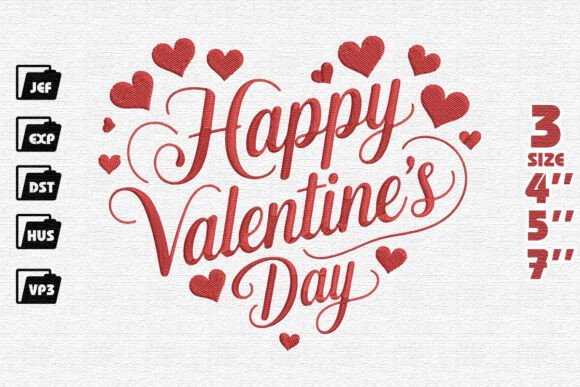
As a designer who spends half my life staring at stitch maps and the other half troubleshooting tension issues, I approach every new machine embroidery design with a healthy dose of skepticism. We have all seen those cute graphics that look perfect on a screen but turn into a tangled mess of thread breaks and puckering once they hit the fabric. That is why I took a close look at the Happy Valentines Day Embroidery file to see if it holds up under the needle.
I did not just view it as a digital asset; I evaluated it through the lens of a craft business owner preparing for the February rush. Whether you are an Etsy seller looking to boost your holiday listings or a hobbyist making personalized gifts, the viability of a design depends on more than just cuteness. It depends on stitch quality, versatility, and how well it translates to physical products.
First Impressions and Visual Personality
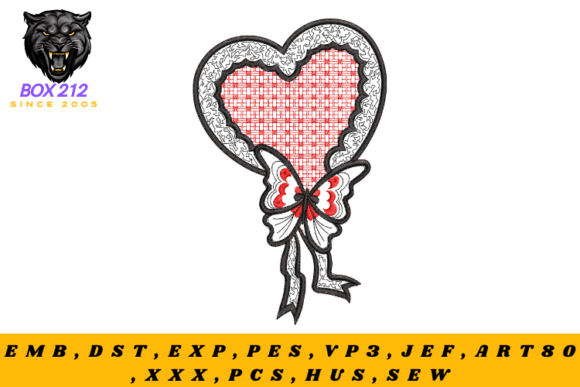
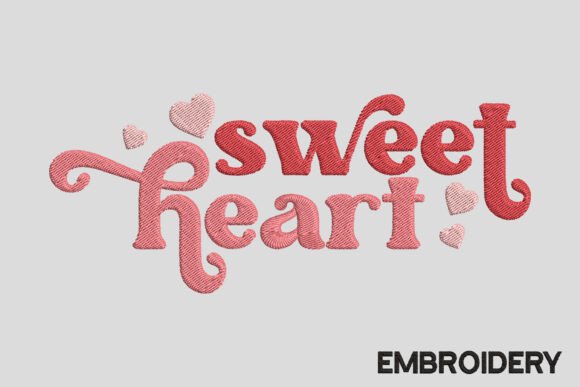
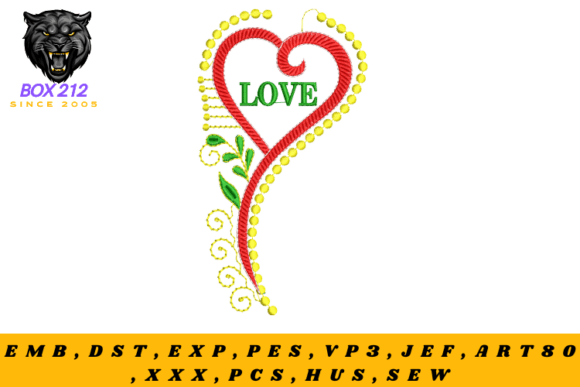
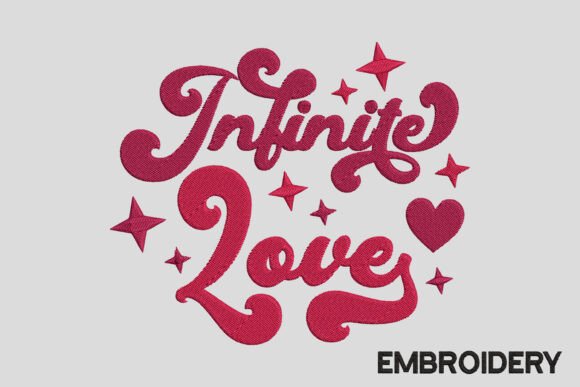
The first thing that strikes you about this embroidery file is its approachable charm. It avoids the overly complex, dense shading that often plagues holiday designs, opting instead for a cleaner aesthetic. The mood is romantic without being cloying, which is a difficult balance to strike in Valentine’s Day themed art. For a designer, this simplicity is a strength. It means the design relies on strong shapes and clear lines rather than thousands of unnecessary stitches to convey its message.
The layout feels balanced, suggesting that the creator considered how the eye travels across the finished product. When I imagine this stitched out, I do not see a cluttered patch of thread. I see a deliberate, professional accent that enhances the fabric rather than overpowering it. This visual personality makes it suitable for a wide range of applications, from subtle apparel details to bold home decor statements.
Real-World Application: The Tote Bag Test
To truly understand the value of this design, I mentally placed it on a canvas tote bag. This is a staple item for small shop products and craft fair merchandise. On a textured canvas, a design with too much fine detail can get lost or cause the fabric to pucker excessively. However, the structure of Happy Valentines Day Embroidery suggests it would sit well on medium-weight fabrics.
I envision using a combination of satin stitch for any outlined elements and fill stitch for larger colored areas. If the design includes lettering, the spacing appears adequate to prevent thread bridging, a common issue in custom apparel. For a boutique branding project, this kind of clarity builds customer trust. A clean, crisp stitch-out signals quality, whereas a messy, dense design can make even a high-end garment look cheap. This design has the potential to elevate a simple tote into a desirable holiday gift.
Versatility Across Product Lines
Beyond tote bags, this embroidery project shows promise in several other categories. Consider sweatshirt embroidery. Here, the nap of the fleece can hide fine details, so a design with bold, recognizable shapes is essential. This design fits that bill. It would also work well as an embroidered patch, where the edges need to be defined clearly against a backing material.
For baby embroidery, softness is key. If the stitch density is moderate, this could adorn a onesie or a burp cloth without creating a stiff, uncomfortable patch on sensitive skin. However, this requires careful testing. Similarly, for kitchen towels or aprons, the design needs to withstand frequent washing. The structural integrity of the stitches will determine longevity, making this a viable option for practical, everyday items that still carry a festive spirit.
Technical Considerations and Fabric Challenges
While the design is appealing, practical application requires caution. Not every fabric behaves the same way. If you are working with thin or stretchy fabric, such as jersey knits for t-shirts, you must prioritize your stabilizer choice. A heavy cut-away stabilizer might be necessary to support the weight of the thread, especially if the design uses significant fill stitch areas.
Dark fabrics present another challenge. If the design relies on light thread colors for contrast, ensure your machine’s tension is perfectly calibrated to prevent the background fabric from peeking through. I always recommend testing the design on scrap fabric first, ideally in both light and dark variations, to check thread color contrast and coverage. This step is non-negotiable for professional results.
Additionally, consider the hoop size. While the description mentions it can be embroidered on any fabric, you must confirm the actual dimensions fit your available hoops. If the design is large, stitching it on a curved surface like a cap requires specialized equipment and expertise to avoid distortion. For beginners, sticking to flat surfaces like pillow covers or tea towels is a safer bet to ensure stitching clarity.
Commercial Viability and Brand Consistency
For digital product sellers and commercial embroidery professionals, the licensing terms are critical. Before listing any finished product on Etsy or using this as part of a boutique branding campaign, you must verify the license included with the download. Does it allow for unlimited physical sales? Can you use it in printable mockups for your online store? These details define your legal right to profit from the design.
Assuming the license permits commercial use, this design offers strong brand consistency potential. Its clean lines and romantic theme can be integrated into a broader Valentine’s collection, pairing well with other design assets. It helps create a cohesive look for your small shop product line, which is vital for buyer engagement. Customers are more likely to purchase when they see a professional, unified aesthetic across your offerings.
Designer Notes for Best Results
- Test on Scrap Fabric: Always run a test stitch-out to check for thread breaks or nesting.
- Check Stitch Density: Ensure the density is appropriate for your specific fabric weight to prevent puckering.
- Contrast Matters: Verify that your thread colors stand out against the background fabric, especially for small details.
- Stabilizer Selection: Use the correct stabilizer type—cut-away for stretchy fabrics, tear-away for stable wovens.
- Review Licensing: Confirm whether the file allows for commercial sales of finished items or digital redistribution.
- Mockup Testing: Create black and white mockups to ensure the design reads well even without color.
Final Verdict on the Design
The Happy Valentines Day Embroidery design is a solid contender for your holiday production lineup. It balances aesthetic appeal with practical stitchability, making it suitable for a variety of handmade products. From custom apparel to home decor, it offers the flexibility needed by modern crafters. However, success lies in the execution. By paying attention to fabric texture, stabilizer choice, and thread quality, you can transform this digital file into a high-value finished product.
Remember, the best embroidery designs are those that respect the limitations of the machine and the nature of the fabric. This design appears to do just that, offering a romantic touch that feels genuine rather than mass-produced. For the experienced designer, it is a reliable tool. For the beginner, it is a forgiving introduction to holiday stitching. Just ensure you do your due diligence on the technical specs and licensing before you start your next big batch.