Reviewing Heart-Shaped Embroidery Motifs for Real Projects
As a designer who has spent years staring at digitized files and watching needles dance across fabric, I have learned that not all machine embroidery design assets are created equal. Some look stunning on a screen but turn into thread nests on the hoop. Others are so simple they lack impact. Recently, I downloaded the Heart-Shaped Embroidery Motifs collection to test its viability for my current batch of client work. My goal was not just to admire the aesthetics, but to determine if these designs hold up under the scrutiny of real-world production.
First Impressions and Visual Personality
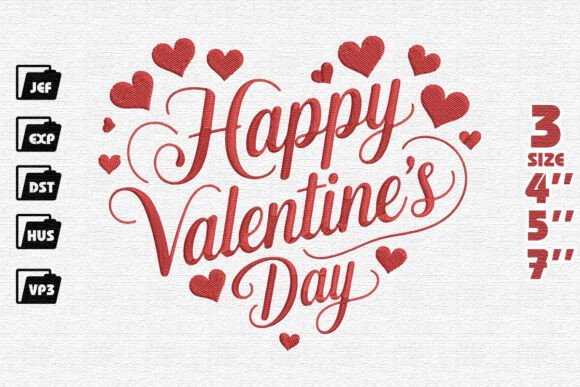
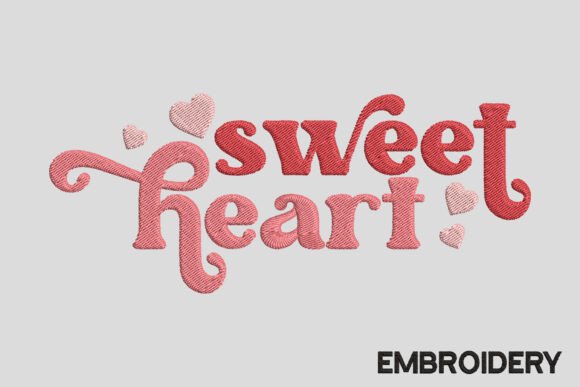
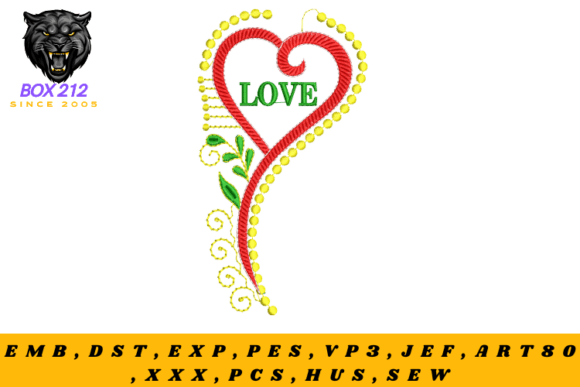
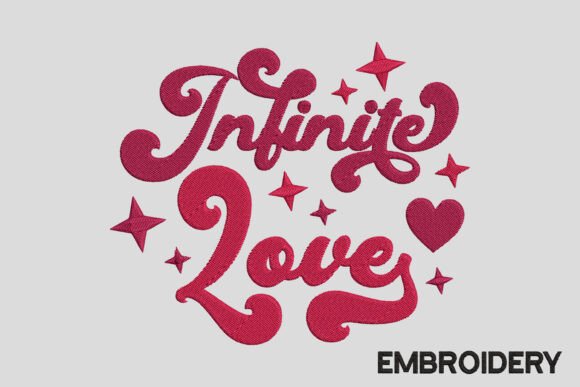
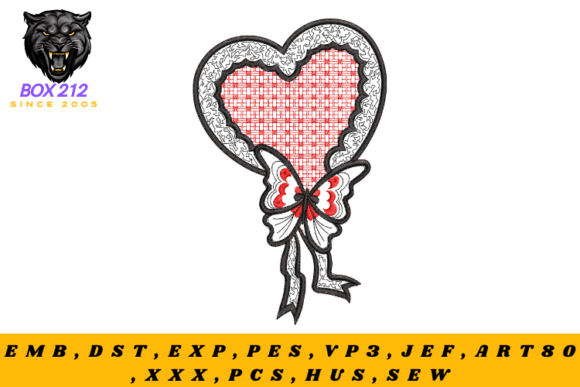
The immediate appeal of this collection lies in its versatility. The set includes a spectrum of styles, ranging from minimalist outlines to more intricate, patterned fills. This variety is crucial for a modern craft business because it allows you to cater to different customer tastes without buying multiple separate packs. The minimalist hearts offer a clean, contemporary look that fits well with modern branding, while the detailed versions provide that traditional, cozy feel often associated with Valentine S Day or romantic gifting.
When I loaded the files into my editing software, the stitch paths looked logical. There were no obvious jumps or excessive trims that would slow down production. The visual personality of these motifs is warm and inviting, making them ideal for products meant to evoke emotion. However, a pretty preview is only half the battle. The true test is how these designs translate from digital pixels to physical thread.
Real-World Application: The Tote Bag Test
To evaluate practical performance, I chose a standard canvas tote bag as my test subject. Canvas is a forgiving yet textured fabric, making it a good benchmark for stitch density and coverage. I selected one of the medium-complexity heart designs from the collection. Using a standard cut stabilizer, I hooped the fabric and ran the machine.
The result was impressive. The satin stitch borders were smooth, with no puckering along the edges. The internal fill stitch areas covered the canvas weave effectively without looking too dense or stiff. This is a critical detail for any embroidery project intended for daily use. If a design is too dense, it can make the fabric rigid and uncomfortable; if it is too sparse, the background fabric shows through, looking cheap. These motifs struck a balanced middle ground.
This success suggests that these designs would perform equally well on other sturdy items like aprons, pillow covers, or even denim jackets. For an Etsy seller looking to expand their small shop product line, these motifs offer a reliable foundation for creating high-quality handmade product listings.
Navigating Fabric Challenges
While the tote bag test was successful, I approached curved and stretchy surfaces with caution. Embroidering on a cap or a sweatshirt requires a different strategy. I tested a smaller outline motif on a cotton blend sweatshirt. Here, the use of a tear-away stabilizer was essential to prevent distortion during washing. The running stitch elements in the simpler designs held up well, maintaining their shape without pulling the knit fabric out of alignment.
However, I would advise caution when using the more intricate patterns on thin or slippery fabrics like silk or rayon. The density might be too heavy for delicate materials, potentially causing puckering that cannot be ironed out. Always test on scrap fabric first. This is non-negotiable for professional custom apparel work. You must understand how the thread colors interact with the fabric texture before committing to a final finished product.
Commercial Viability and Brand Consistency
For those running a commercial embroidery operation, consistency is key. Customers return because they trust the quality of your work. The Heart-Shaped Embroidery Motifs collection offers a level of professionalism that supports brand consistency. Whether you are creating a personalized gift for a wedding or a batch of holiday merchandise, the clean lines ensure that every item looks intentional and well-crafted.
These designs also work beautifully for embroidered patch creation. By using a dense fill and a tight satin border, you can create standalone patches that can be applied to various garments later. This adds value to your offerings, allowing customers to buy accessories rather than just full garments. It is a smart way to maximize the utility of a single digital embroidery file.
Practical Designer Notes
Before you integrate these motifs into your workflow, consider the following technical checks:
- Check Stitch Density: Review the density settings in your software. If the design feels too heavy for your chosen fabric, reduce the density slightly to prevent stiffness.
- Contrast Matters: Test the design in black and white mockups. This helps you see if the details will get lost on dark fabrics or if the contrast is sufficient for visual clarity.
- Hoop Size Compatibility: Ensure the design fits comfortably within your hoop size, leaving enough margin for the frame to grip the fabric securely.
- Licensing Verification: Always confirm the license terms. While many collections allow for commercial use of finished items, selling the design assets themselves is usually prohibited. Check the specific terms provided with the download.
- Thread Selection: High-sheen rayon threads enhance the look of satin stitches, while matte cotton threads give a rustic, handmade feel. Choose based on your target audience.
Final Verdict
The Heart-Shaped Embroidery Motifs collection is a solid addition to any designer’s library. It balances aesthetic charm with technical reliability. While it requires the usual due diligence regarding fabric choice and stabilization, it performs admirably across a range of common projects. From baby embroidery on onesies to bold statements on tote bags, these designs offer the flexibility needed for a diverse craft business.
For holiday embroidery seasons or year-round romantic gifts, these motifs provide a dependable resource. They are not just decorative; they are functional design tools that, when used correctly, elevate the perceived value of your work. As always, let your machine do the talking by testing on scraps, but rest assured that these hearts are ready to help you create something beautiful.