Reviewing the Happy Honeybee Embroidery File
As a designer who has spent years digitizing patterns and testing them on everything from stiff denim to delicate muslin, I approach every new machine embroidery design with a critical eye. It is not just about whether the image looks cute on a screen; it is about how those stitches will lay down on fabric, how the tension holds up after washing, and whether the final product feels professional enough to sell. Recently, I had the chance to evaluate the Happy Honeybee Embroidery File, a charming piece within the Bugs category that promises to brighten up various projects. Here is my practical assessment of how this design performs in real-world scenarios.
First Impressions and Visual Personality
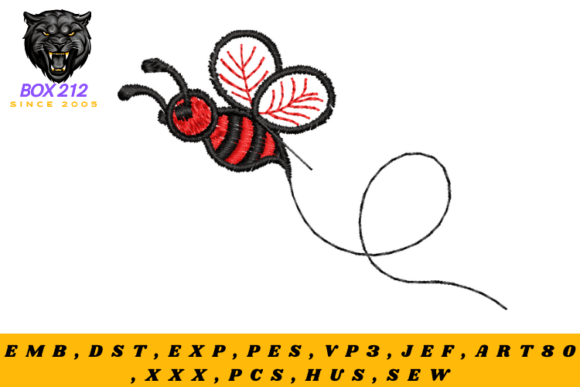
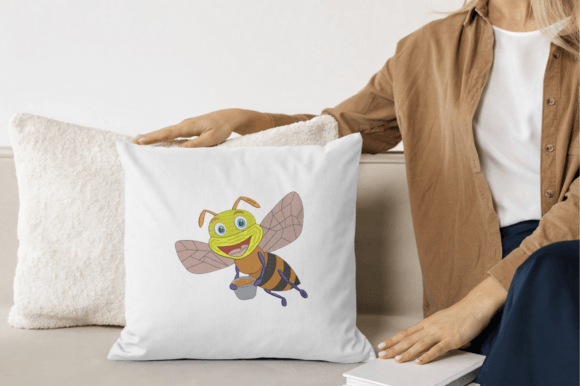
The moment I loaded the embroidery file into my software, the mood was immediately clear: cheerful, approachable, and wholesome. The design features a smiling bee holding a bucket of honey, a classic motif that resonates well with a broad audience. From a layout perspective, the composition is balanced. The bee is not overly complex, which is often a good sign for durability and stitch clarity. The visual personality leans heavily toward the playful side, making it an ideal candidate for children’s clothing, kitchen textiles, and casual accessories.
What stands out is the simplicity of the shapes. In embroidery, less is often more when it comes to reliability. Complex gradients can sometimes turn into muddy patches of thread if the digitizing is poor, but this design relies on clean lines and distinct color blocks. This suggests that the digitizer prioritized stitch definition over photorealism, a smart choice for a design intended for mass appeal and varied fabric types.
Real-World Application and Product Fit
To truly understand the value of the Happy Honeybee Embroidery File, I imagined several specific use cases. Picture a custom embroidered tote bag made from heavy canvas. The bold outlines of the bee would stand out sharply against the textured weave, creating a sturdy, high-quality look. Similarly, for a small shop owner selling baby items, this design would work beautifully on a soft cotton onesie or a burp cloth. The "happy" expression adds an emotional touch that parents often look for in personalized gifts.
For Etsy sellers and craft business owners, versatility is key. This design fits seamlessly into seasonal collections. Imagine it stitched onto a linen apron for a spring collection or paired with floral elements for a garden-themed set. It also works well as a standalone accent on sweatshirt embroidery, where the larger surface area allows the details of the honey bucket and the bee’s wings to shine without feeling cramped. The theme is neutral enough to be used year-round, yet it carries a warmth that makes it perfect for holiday embroidery projects, such as gift tags or festive pillow covers.
Stitching Performance and Technical Considerations
When evaluating any digital embroidery file, we must consider the technical execution. While I do not have the exact stitch count or format list here, the visual structure suggests a mix of satin stitch for the outlines and fill stitch for the larger colored areas like the bee’s body and the honey bucket. This combination usually provides a nice texture contrast. However, users should be mindful of stitch density. If the fill areas are too dense, they can cause puckering on lighter fabrics.
I recommend testing the design on scrap fabric first. This is non-negotiable for professional results. Check how the thread colors interact with your chosen material. For instance, if you are using a dark fabric, ensure that the underlying layers or stabilizer do not show through the lighter yellow threads of the bee. A proper stabilizer is crucial here, especially if you are working with stretchy fabrics like jersey knits for t-shirts or caps. Without adequate support, the circular shapes of the bee might distort during stitching.
Navigating Potential Challenges
While the Happy Honeybee Embroidery File is robust, there are situations where caution is needed. Small hoop sizes can be tricky if the design is near the maximum limit of the hoop. Always confirm the hoop size compatibility before starting. Additionally, curved surfaces like caps require careful hooping techniques to prevent the design from shifting. The detailed corners of the honey bucket should be inspected closely; if the digitizing uses sharp turns without proper underlay, these points might pull or fray over time.
Textured fabrics present another challenge. On highly textured materials like terry cloth towels, fine details can get lost. In such cases, consider using a topping or choosing a version of the design with bolder lines if available. For thin fabrics, the stitch density must be monitored to avoid perforation or visible backing. It is also wise to test the design in black and white mockups to ensure the contrast holds up even without color, which helps in understanding the structural integrity of the digitizing.
Enhancing Brand Value and Customer Trust
For commercial embroidery and small business merchandise, the quality of the finished product directly impacts brand consistency and customer trust. A clean, well-stitched bee design conveys professionalism. When customers see crisp edges and no loose threads, they perceive higher value. This design, with its friendly and polished look, can enhance buyer engagement. It is the kind of imagery that stops scrollers on social media and invites clicks.
Using this as part of your design assets can help build a cohesive brand identity, especially if you specialize in nature-inspired or family-oriented products. Whether you are creating printable mockups for your online store or producing physical samples for a craft fair, the Happy Honeybee Embroidery File offers a reliable aesthetic. It feels handmade yet refined, striking the right balance for modern consumers who appreciate artisanal quality.
Final Designer Notes
Before integrating this applique design or standard embroidery pattern into your workflow, take a few practical steps. Review the license terms carefully to confirm whether it allows for commercial use if you plan to sell finished items. Check the included file formats to ensure compatibility with your machine. Compare the design on both light and dark fabric backgrounds to determine the best thread color combinations. Remember, running stitch elements may need additional securing if used on loose-weave fabrics.
In conclusion, the Happy Honeybee Embroidery File is a solid addition to any designer’s library. It is versatile, visually appealing, and suited for a wide range of embroidery projects from baby clothes to home decor. By respecting the technical requirements of stitch density and fabric choice, you can transform this digital asset into a standout finished product that delights customers and elevates your craft business.