Reviewing the Leopard Pride Mascot Design
When I first loaded the Leopard Pride Embroidery Design- Mascot into my digitizing software, I wasn’t just looking at a graphic; I was visualizing the final texture on fabric. As a designer who has spent years troubleshooting puckering and thread breaks, I approach every new machine embroidery design with a critical eye. This particular file caught my attention because it bridges the gap between aggressive sports aesthetics and versatile home decor potential. It is not just a logo; it is a statement piece that demands careful execution to look professional.
First Impressions and Visual Personality
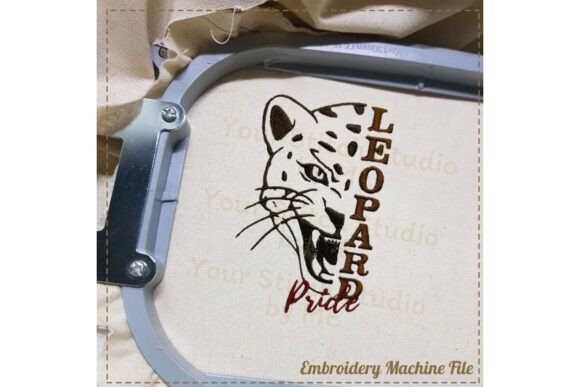
The immediate mood this design creates is one of confident energy. The leopard motif is a classic symbol in the Sports category, often associated with speed, agility, and pride. However, what sets this specific iteration apart is its balance. It avoids the overly chaotic detailing that often plagues mascot designs, opting instead for cleaner lines that translate well into thread. The layout suggests a strong central focus, which is crucial for maintaining visual clarity when scaled down for smaller items like caps or up for large jacket backs.
From a design perspective, the interplay of light and shadow within the leopard’s features will rely heavily on your choice of thread colors. A monochromatic scheme might look sophisticated on a high-end tote, while vibrant, contrasting colors will pop on a youth team jersey. The visual personality is adaptable, making it a strong candidate for both commercial branding and personalized gifts.
Real-World Application: The Custom Tote Test
To truly evaluate an embroidery file, you have to imagine it in a real-life scenario. Recently, I was preparing a batch of custom canvas tote bags for a local boutique client. They wanted something that felt rugged yet stylish. I considered the Leopard Pride Embroidery Design- Mascot for this project. Canvas is a sturdy fabric, but it can be unforgiving if the stitch density is too high or the stabilizer is insufficient.
I envisioned placing the design on the front panel of the bag. The versatility mentioned in the product description holds true here. On a tote, the design acts as a focal point without overwhelming the utility of the item. If I were using this for a sweatshirt, I would likely place it on the left chest for a subtle brand mark or centered on the back for a bold statement. For baby items, however, I would proceed with caution. While the theme is cute, the complexity might feel too heavy for delicate infant wear unless significantly scaled down and simplified.
Performance on Various Fabrics and Surfaces
One of the strongest assets of this design is its adaptability across different materials. Here is how it performs in common scenarios:
- Jackets and Outerwear: The design holds up well against thicker fabrics like denim or fleece. The bold lines ensure the image remains recognizable even when the fabric has a deep pile.
- Tote Bags and Aprons: On medium-weight cotton or canvas, the satin stitch borders likely used in the outline will provide a nice sheen against the matte fabric texture.
- Caps and Hats: This is where experience matters. Curved surfaces distort designs. If you plan to use this on a cap, ensure you are using a proper cap frame and heavy-duty stabilizer. The design’s symmetry helps mitigate some distortion, but testing is non-negotiable.
- Pillow Covers: For home decor, this design adds a touch of wild elegance. It works particularly well on textured linen or velvet, provided you adjust the tension to prevent puckering.
However, there are areas where you must exercise care. Thin or stretchy fabrics, such as lightweight jersey or silk, may struggle with the weight of the stitching. If the design utilizes dense fill stitch areas, it could cause the fabric to warp. In these cases, consider using an applique technique if the design allows, or reinforce the area heavily with cut-away stabilizer.
Technical Considerations for the Stitcher
Before you hit the start button on your machine, there are several practical steps to ensure the Leopard Pride Embroidery Design- Mascot looks its best. First, always test the design on scrap fabric that matches your final project material. This allows you to check the stitch density and identify any potential thread breaks or nesting issues.
Pay close attention to the small details. Mascot designs often have intricate elements around the eyes or fur texture. If these areas are too small for your needle size or hoop capability, they may merge into a blob of thread. Review the design in black and white mockups to see if the contrast holds up without color. This is a great trick for assessing structural integrity.
Additionally, confirm the licensing terms. As an Etsy seller or small shop owner, you need to know if you can sell finished products featuring this design. Most commercial embroidery files allow for physical sales but restrict the resale of the digital file itself. Always verify this to protect your craft business.
Enhancing Product Value and Brand Consistency
Using a high-quality mascot design like this can significantly boost the perceived value of your handmade products. Customers associate clean, crisp embroidery with professionalism. When a buyer sees a well-executed leopard mascot on a hoodie or a framed artwork piece, it signals attention to detail. This builds trust and encourages repeat business.
For those creating printable mockups or digital product previews, this design offers strong visual appeal. It photographs well because of its defined shapes and potential for dramatic lighting effects. Whether you are creating holiday embroidery gifts or year-round boutique merchandise, the timeless nature of the leopard ensures the product does not feel dated quickly.
Final Verdict for Makers and Designers
The Leopard Pride Embroidery Design- Mascot is a robust addition to any designer’s library. It is not just a pretty picture; it is a functional asset that performs well across a variety of projects, from rugged outdoor gear to soft home textiles. Its strength lies in its balanced complexity—detailed enough to be interesting, but clean enough to stitch reliably.
Remember, the success of any embroidery project depends half on the file and half on the execution. Choose the right stabilizer, match your thread colors to your fabric texture, and always test before committing to the final piece. If you do, this design will serve you well, helping you create products that stand out in a crowded market. Whether you are decorating apparel for a sports team or crafting unique personalized gifts, this mascot design delivers the impact you need.