Fall Embroidery Flowers Tumbler Wrap Review
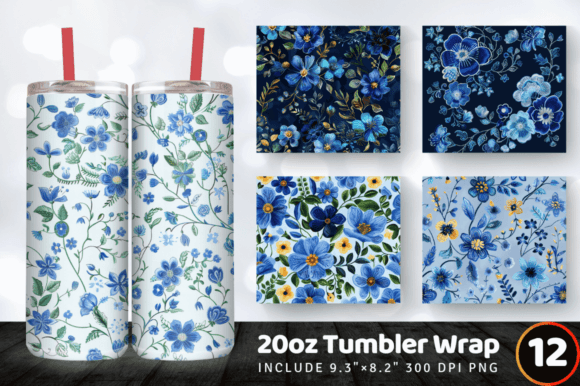
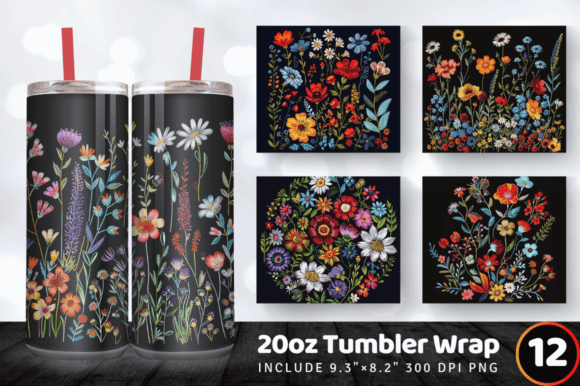
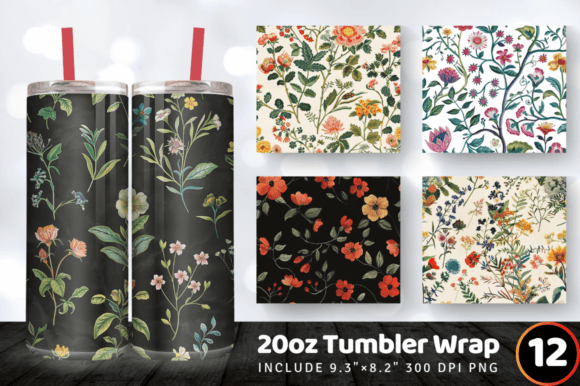
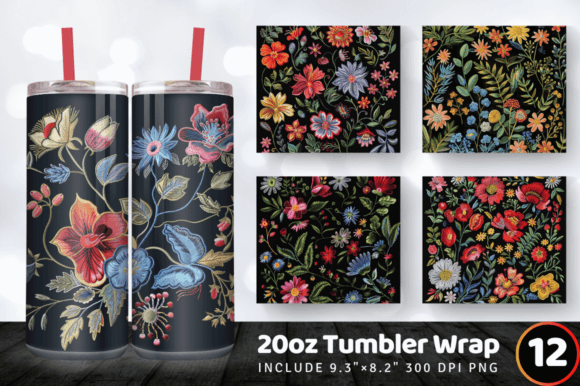
As a designer who spends half my life digitizing and the other half stitching, I approach every new machine embroidery design with a healthy dose of skepticism. We have all been there: downloading a file that looks stunning on the screen but turns into a tangled mess of thread breaks and puckering on the fabric. Today, I am taking a close look at the Fall Embroidery Flowers Tumbler Wrap. While the title suggests it is intended for sublimation on 20 oz skinny tumblers, my interest lies in how these graphics translate to tangible, stitched projects for my craft business.
First Impressions and Visual Mood
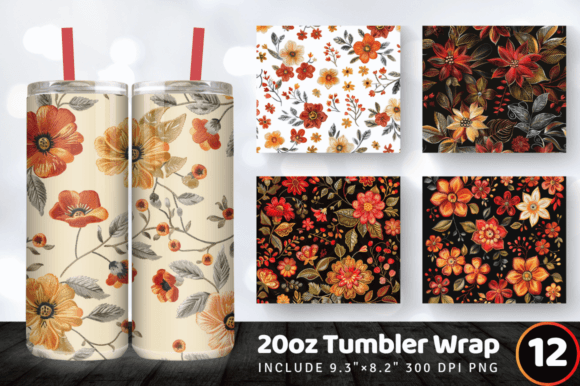
The immediate vibe of this design is cozy, autumnal, and warm. The floral motifs capture that specific transition period where summer blooms meet the crispness of fall foliage. For an embroidery project, mood is everything. You want a design that evokes a feeling before the customer even touches the product. This piece succeeds in creating a rustic yet refined aesthetic. The layout appears balanced, which is crucial when you are working with limited hoop space or trying to place a motif on a curved surface like a cap or a rounded tote bag.
However, we must address the format. The product description notes this is a Graphics file, specifically a high-resolution PNG within a zip folder, marketed under Tumbler Wraps. For us embroidery designers, this means we are not getting a native embroidery file like DST or PES. Instead, we are looking at a reference image. This changes the workflow entirely. We are not just hitting "stitch"; we are analyzing line art to determine if it is suitable for conversion or manual digitizing.
Translating Graphics to Stitch
If you plan to use this Fall Embroidery Flowers Tumbler Wrap as a basis for a custom embroidered item, you need to think about stitch types. The floral elements likely require a mix of satin stitch for the petals to give them sheen and dimension, and fill stitch for larger leaves to provide coverage without excessive bulk. The stems and finer details would benefit from a clean running stitch or a narrow satin column.
In a real-life scenario, imagine preparing a batch of canvas tote bags for a local farmers' market. You want a tote bag design that stands out but does not feel heavy. Using this floral graphic as a guide, you could digitize a version that uses lighter thread colors like mustard yellow, burnt orange, and deep burgundy. The contrast against a natural beige canvas would be striking. However, because the original asset is a straight-wall tumbler wrap, you must be mindful of distortion. When adapting a straight design to a curved hoop size, always test on scrap fabric first to ensure the proportions remain pleasing after the tension of the machine pulls the threads tight.
Practical Applications for Small Shops
For Etsy sellers and small shop owners, versatility is key. This design has strong potential for several handmade product categories:
- Sweatshirt embroidery: Place a scaled-down version on the left chest for a subtle, boutique look.
- Holiday embroidery: Use the autumn theme for Thanksgiving table runners or kitchen towels.
- Baby embroidery: Soften the color palette for a nursery decor piece or a baby blanket accent.
- Embroidered patch: Create a dense, durable patch that can be ironed onto jackets or hats.
The visual appeal of such a design directly impacts customer trust. A well-executed floral motif signals professionalism. It tells the buyer that you care about aesthetics and quality. When customers see a clear, crisp finished product, they are more likely to engage with your brand and return for future personalized gift purchases.
Where to Exercise Caution
Not every fabric or project is suitable for this type of intricate floral work. If you are working with textured fabrics like thick wool or loose-weave linen, the fine details might get lost. In these cases, consider simplifying the design or using an applique design technique where fabric pieces fill the shapes, reducing the number of stitches and preventing puckering.
Also, be wary of stretchy fabric. If you attempt this on a thin jersey t-shirt without proper stabilization, the design will distort after the first wash. Always use a cut-away stabilizer for garments that will be worn and washed frequently. Additionally, check the stitch density if you decide to digitize this yourself. Too many stitches in a small area can cause needle breaks or fabric tearing, especially on delicate materials.
Designer Notes for Best Results
Before committing to a full production run, follow these practical steps:
- Check Licensing: Since this is sold as a digital download template for sublimation, verify if the creator allows derivative works for embroidery. Commercial use rights vary significantly between graphic assets and embroidery files.
- Test Color Contrast: View the PNG in black and white. If the details disappear, the design may lack the necessary contrast for clear stitching.
- Confirm Hoop Size: Ensure your digitized version fits comfortably within your machine’s maximum hoop area, leaving room for clamping.
- Inspect Small Details: Zoom in on the original graphic. Are there tiny gaps or overlapping lines? These can cause issues during digitizing.
- Mockup Testing: Use printable mockups to visualize how the design looks on different backgrounds, such as dark navy versus light cream.
Ultimately, the Fall Embroidery Flowers Tumbler Wrap offers a beautiful starting point for creative entrepreneurs. While it is not a ready-to-stitch digital embroidery file, its high-resolution nature makes it an excellent reference for creating unique custom apparel and home decor. By understanding the limitations of the source material and applying solid digitizing principles, you can transform this graphic into a standout element in your craft business inventory. Remember, the goal is not just to replicate the image, but to interpret it through the lens of thread and needle, creating a tactile experience that digital prints simply cannot match.