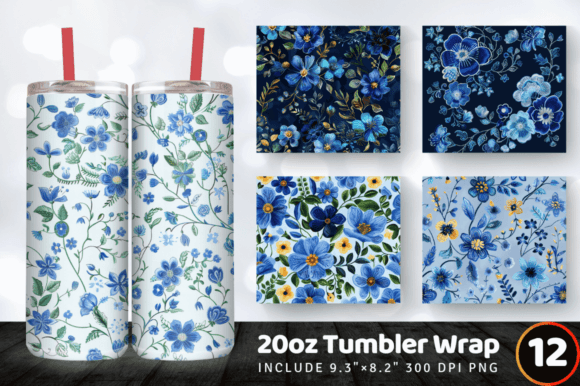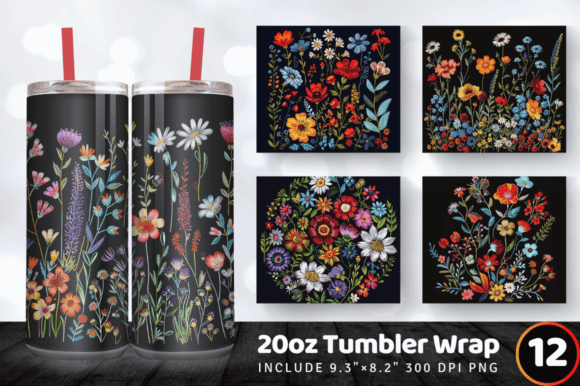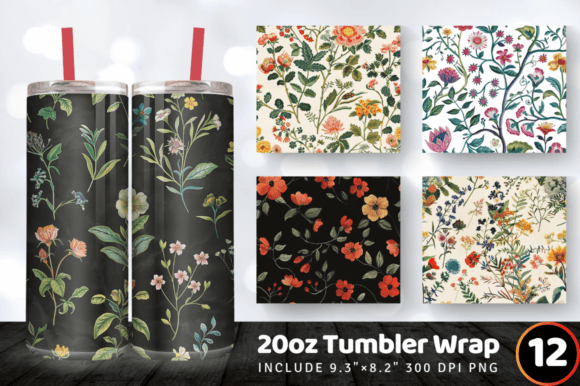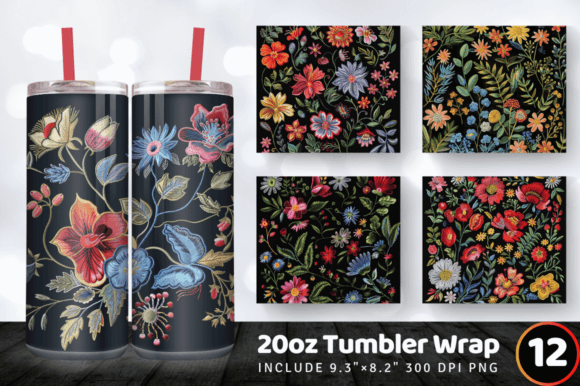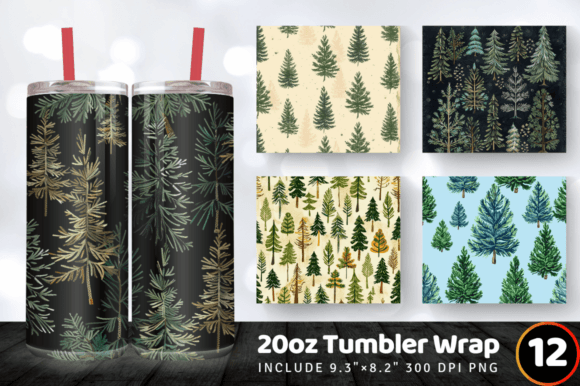
Reviewing Pine Trees Embroidery Tumbler Wrap for Brand Use
As an embroidery designer who has spent years digitizing logos and testing designs for small business merchandise, I approach every new asset with a critical eye. We often look at Tumbler Wraps and assume they are strictly for sublimation printing on stainless steel. However, the visual language of a design can transcend its original medium. Today, I am reviewing the Pine Trees Embroidery Tumbler Wrap not just as a digital download for cups, but as a potential cornerstone for branded patches, apparel accents, and boutique merchandise.
The product is listed as a 20 oz Skinny Tumbler Wrap Sublimation Design PNG, provided as a high-resolution file in a zip archive. While the description specifies it comes in "Only straight wall" format, the aesthetic value of pine trees offers a rustic, organic feel that resonates deeply with modern consumers. For handmade brands, Etsy sellers, and local businesses like cafés or florists, this imagery suggests durability, nature, and calm. But does it translate well from a flat graphic to a stitched embroidered patch or direct-to-garment application? Let us dive into the details.
First Impressions: Visual Personality and Brand Fit
When I first examined the Pine Trees Embroidery Tumbler Wrap, the immediate impression was one of rustic elegance. Pine trees are timeless symbols. They do not scream "trendy"; instead, they whisper "classic." This makes the design incredibly versatile for brand identity. Whether you run a pet brand, a creative studio, or a bakery, incorporating pine motifs can soften your image while maintaining professionalism.
The design feels friendly yet premium. It avoids the clutter of overly complex Graphics, focusing instead on clean silhouettes. For a small business owner, this simplicity is gold. Complex designs often fail when scaled down, but strong silhouettes remain recognizable. If you are aiming for a handmade product vibe, this aesthetic aligns perfectly with customer expectations for quality and care.
Real-World Applications Beyond the Tumbler
While the file is marketed for sublimation, savvy merch creators know how to repurpose high-resolution assets. Here is how I see this design performing in real business scenarios:
- Embroidered Patches: The pine tree motif is ideal for woven or embroidered patches. These can be sewn onto denim jackets, canvas tote bags, or even laptop sleeves. A patch adds tangible value to a simple item, turning a basic tote into a statement piece.
- Staff Uniforms and Aprons: For a café or florist, embroidering a simplified version of these trees on apron pockets creates a cohesive team look. It signals attention to detail and reinforces the natural theme of the business.
- Cap Embroidery: A single pine tree, extracted from the wrap design, works beautifully on the front of a dad hat or trucker cap. It is subtle enough for daily wear but distinct enough to build brand recognition.
- Product Packaging Accents: Use the design on hang tags or sticker labels for your handmade products. It creates visual consistency across your entire product line, from the item itself to the packaging.
For Etsy branding, having a consistent visual thread—like these pine trees—across your custom apparel and physical goods helps customers remember you. It builds trust because it shows you have a defined style.
Technical Considerations for Embroidery Conversion
Here is where we must shift from marketer to technician. The Pine Trees Embroidery Tumbler Wrap is a PNG, which is a raster image. To use this for machine embroidery, you cannot simply send the PNG to your machine. You must digitize it or convert it into a proper machine embroidery design format. Here are my professional notes on handling this transition:
- Check Stitch Density: Pine needles can be tricky. If the original graphic has very fine lines, they may turn into a mess of thread if the stitch density is too high. When digitizing, ensure there is enough spacing between stitches to prevent puckering, especially on lighter fabrics.
- Test on Real Fabric: Before committing to a large run of commercial embroidery, test the design on the actual fabric you plan to use. Textured fabric, like canvas or twill, behaves differently than smooth cotton. The texture can hide minor imperfections or, conversely, make loose stitches look sloppy.
- Use Proper Stabilizer: For items that need frequent washing, such as staff uniforms or tote bags, a cut-away stabilizer is often better than tear-away. It provides long-term support and prevents the design from distorting over time.
- Confirm Hoop Size: Since the original design is for a 20 oz skinny tumbler, it is tall and narrow. Ensure your embroidery hoop can accommodate the height if you plan to stitch the full scene. For smaller applications like caps, you will need to crop and resize elements carefully.
It is crucial to note that the product description states you get a High-resolution PNG. It does not explicitly state that it includes an embroidery file format like .PES or .DST. Therefore, you must verify if you have the rights and tools to digitize this image yourself or if you need to hire a digitizer. Do not assume the download includes ready-to-stitch files unless specified.
Where to Use Caution
Not every surface is suitable for this type of design. I advise caution when applying detailed pine tree graphics to:
- Small Patch Sizes: If you shrink the design too much, the details of the branches will merge into a solid blob. Keep the minimum size large enough to preserve the silhouette.
- Dark Uniforms: If you are stitching on black or navy aprons, ensure you use high-contrast thread colors. Green on black can disappear under poor lighting. Consider using metallic or lighter green threads to make the design pop.
- Curved Surfaces: While the tumbler wrap is designed for a straight wall, embroidery on curved surfaces like baseball caps requires careful hooping and stabilization to avoid distortion. The design should be centered perfectly to look professional.
Enhancing Brand Value and Customer Trust
Ultimately, the goal of using the Pine Trees Embroidery Tumbler Wrap aesthetic in your merchandise is to elevate your brand identity. When a customer receives a tote bag with a beautifully embroidered pine tree, they perceive higher value than if it were merely printed. Embroidery implies permanence and quality.
This perception drives buyer engagement. Customers are more likely to share photos of high-quality merch on social media, providing you with free marketing. Furthermore, visual consistency across your design assets—from your website to your physical products—creates a professional image that fosters trust. A cohesive look tells the customer that you care about every detail of their experience.
Before finalizing your production, create a printable mockup or a digital composite showing the embroidered design on your chosen product. Compare it beside other design assets to ensure it fits your color palette and style guide. Confirm commercial licensing permissions if you are unsure, although most digital downloads for personal and small commercial use allow for physical product creation. Always read the specific license included in your zip file.
In conclusion, while the Pine Trees Embroidery Tumbler Wrap is sold as a sublimation graphic, its visual strength lies in its adaptability. With proper digitization and attention to stitch density, it can become a powerful tool for creating memorable, high-quality branded merchandise. For the small business owner willing to put in the technical legwork, this design offers a pathway to creating products that feel both handmade and professionally curated.